Indonesian Handicrafts: A Legacy of Artisan Excellence
Home DecorIndonesian Handicrafts: A Legacy of Artisan Excellence Discover artisan-made, sustainable products from Miss Handcraft — handcrafted by local artisans using natural and upcycled materials.
Indonesian Handicrafts: A Legacy of Artisan Excellence
The Cultural Significance of Traditional Crafts
Traditional crafts are repositories of cultural knowledge. The techniques used to weave natural fibers, carve wood, shape clay, and apply natural dyes have been refined over generations, with each generation adding its own innovations. These skills represent a living connection to the past, carrying forward knowledge that might otherwise be lost in an era of mass production.
Different regions develop distinct craft traditions based on available materials and cultural influences. Coastal areas often work with fibers from aquatic plants. Forested regions develop wood carving traditions. Agricultural communities create textiles from locally grown cotton or flax. Understanding these regional differences adds depth to appreciating handmade products.
The motifs and patterns used in traditional crafts often carry symbolic meaning. Geometric patterns may represent natural elements or spiritual concepts. Colors may have specific cultural associations. Learning about these meanings transforms a decorative object into a piece of cultural storytelling, enriching the experience of owning and using it.
The Craftsmanship Process
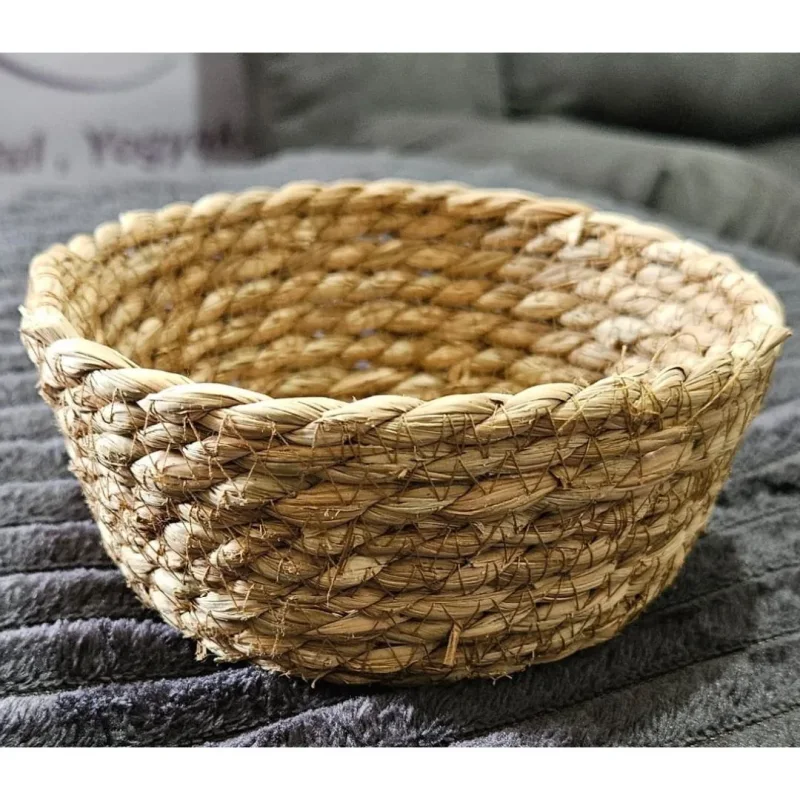
Creating traditional crafts is a labor-intensive process that requires years of practice to master. Natural fiber weaving begins with harvesting, drying, and preparing the raw materials. Fibers may be split, dyed, and sorted before weaving begins. A single basket or wall panel can take days or weeks to complete, depending on its complexity and size.
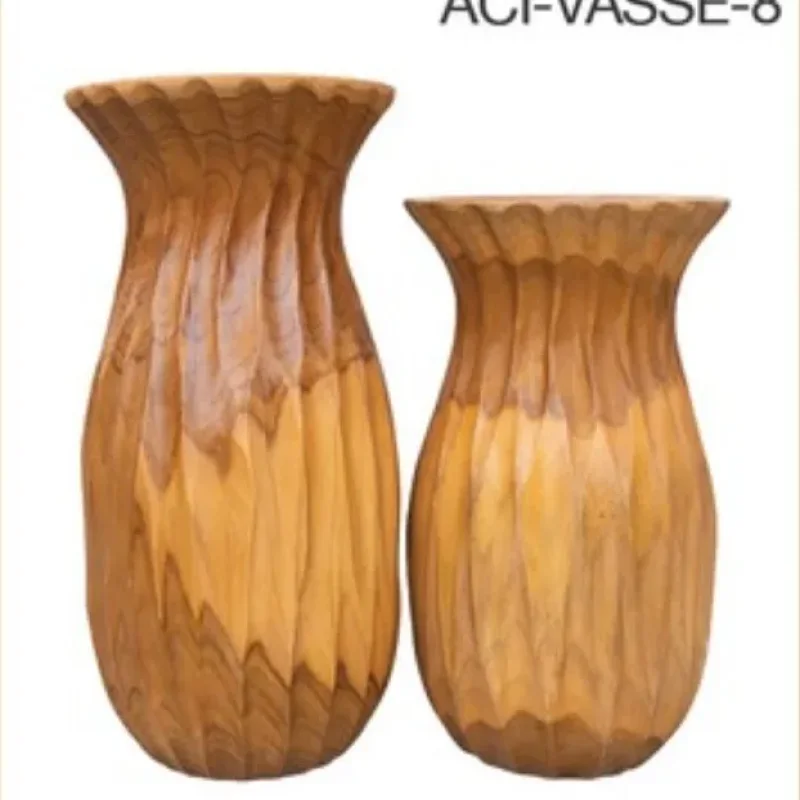
Wood carving starts with selecting the right piece of wood — considering grain, moisture content, and freedom from defects. The carver uses specialized tools to shape the wood gradually, revealing the form within. Finishing involves sanding, applying natural oils or waxes, and allowing the piece to cure. Each step requires judgment that comes from experience.
Ceramics involve multiple stages: preparing the clay, shaping it on a wheel or by hand, allowing it to dry to leather hardness, trimming and refining the form, bisque firing, applying glaze, and a final high-temperature firing. At each stage, the piece can crack or warp, requiring the potter to make constant adjustments. The skill lies in anticipating how the clay will behave at each step.
How to Identify Quality Craftsmanship
Quality in handmade products is visible in the details. Edges should be clean and even. Surfaces should be smooth where intended and uniformly textured where appropriate. Weave patterns should be consistent. Glazes should be evenly applied without drips or bare spots. These indicators reveal the maker's skill and attention to detail.
Functional pieces should perform their intended task well. A bowl should sit flat on a table. A basket should hold its shape when filled. A wall panel should hang evenly without sagging. These practical considerations are as important as aesthetic qualities in determining the value of a piece.
Transparency from the maker is also a sign of quality. Artisans who take pride in their work are usually willing to discuss their materials, techniques, and the time involved in creating each piece. They may sign their work or provide information about the crafting process. This openness indicates confidence in the quality of their products.
Preserving Craft Traditions for Future Generations
Traditional craft skills face significant challenges in the modern world. Younger generations are increasingly drawn to digital careers, and handmade production struggles to compete with the low prices of factory-made goods. Many skills that took centuries to develop could disappear within a generation if they are not actively practiced and taught.
Documentation is one tool for preservation. Videos, written instructions, and photographs record techniques so they can be studied even if fewer people practice them. Apprenticeship programs that pair experienced artisans with learners help transfer knowledge directly. Community workshops and educational programs introduce craft skills to new audiences.
Consumer demand plays a crucial role in preservation. When people choose handmade products over mass-produced alternatives, they create economic incentives for artisans to continue their work. Each purchase of an authentic handmade item supports not just an individual maker but the entire ecosystem of knowledge and skill that produced it. This makes consumer choices a powerful force for cultural preservation.
You may also find our article on Why Upcycled Products Are Better for Your Home Decor helpful.
You may also find our article on Boho Home Decor Ideas: Style Your Space with Natural Materials helpful.
What This Means for You
The handmade products you bring into your home carry stories of skill, tradition, and cultural identity. Understanding these stories adds depth to everyday objects and connects you to communities of makers around the world. By choosing authentic artisan crafts, you are not just acquiring decorative items — you are participating in the preservation of valuable human knowledge and skills.
Take time to learn about the origins of the pieces you own. Appreciate the skill involved in their creation. Share these stories with others. Every conversation about craftsmanship raises awareness and builds appreciation for the value of handmade goods. In a world of mass production, choosing handmade is a meaningful act of cultural and environmental responsibility.
Produk Terkait
Lihat Semua Produk
Woodcraft
Woodcraft
Lighting Collection
Designed by Fast3D Studio
Harga desain
Free
/ desain
Download Gratis
 Resin Works
Black Wavy Terramix
Designed by Fast3D Studio
Harga desain
Free
/ desain
Download Gratis
Resin Works
Resin Works
Black Wavy Terramix
Designed by Fast3D Studio
Harga desain
Free
/ desain
Download Gratis
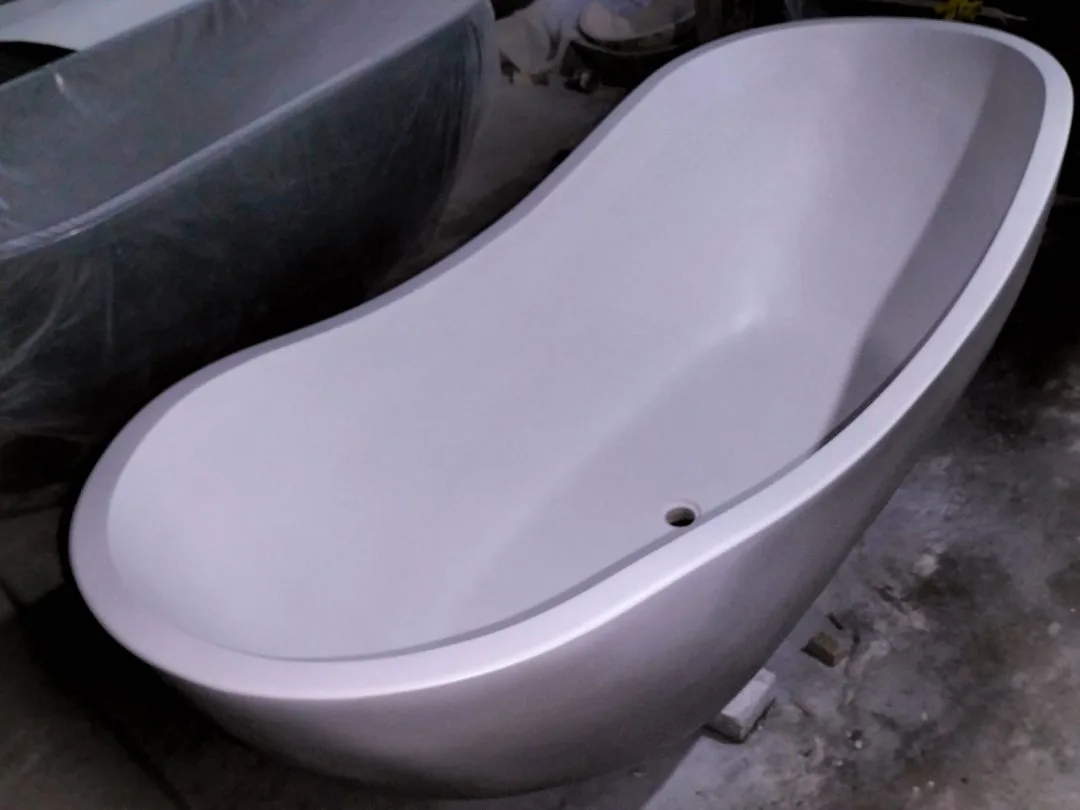 Resin Works
White Wavy Terramix
Designed by Fast3D Studio
Harga desain
Free
/ desain
Download Gratis
Resin Works
Resin Works
White Wavy Terramix
Designed by Fast3D Studio
Harga desain
Free
/ desain
Download Gratis
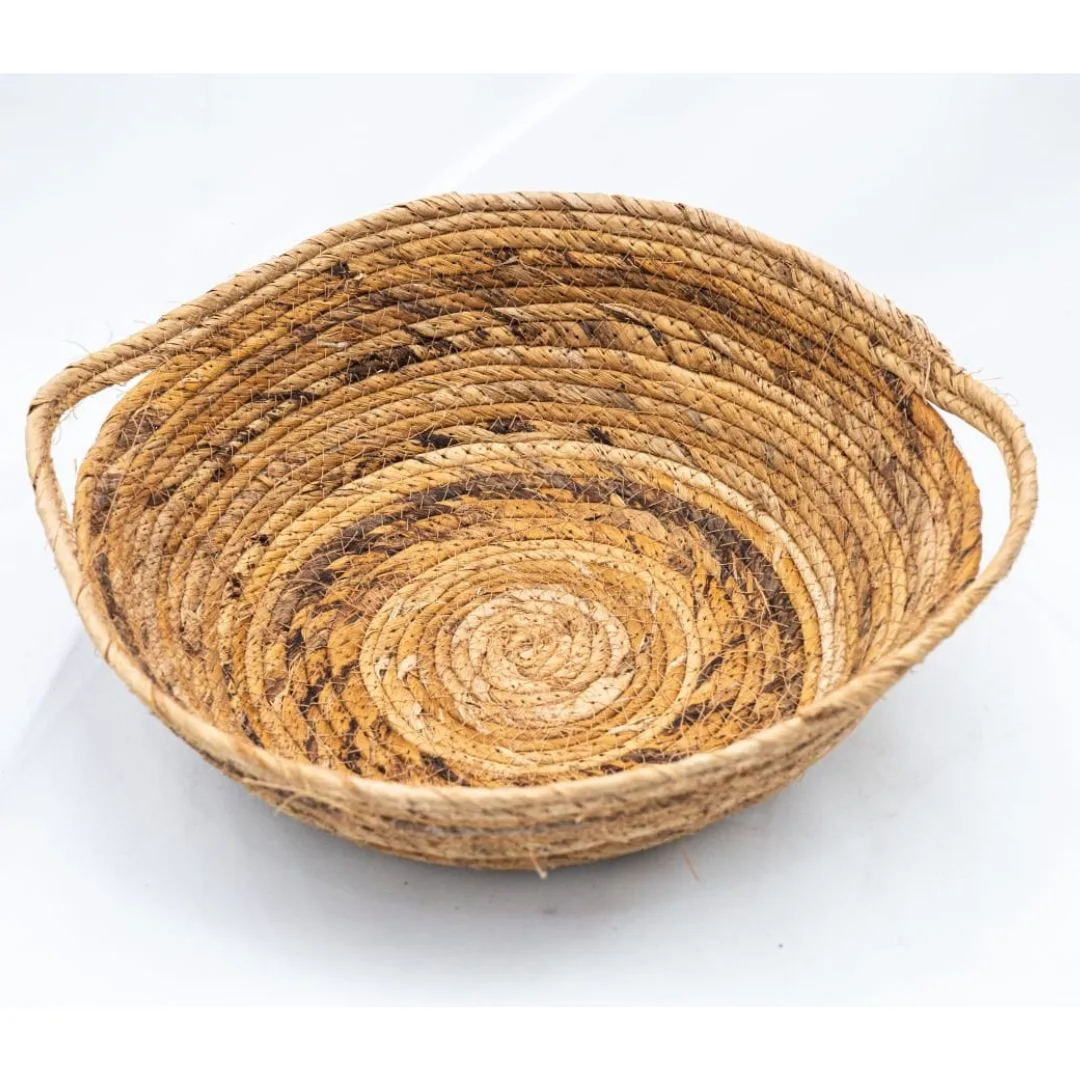 Natural Fiber
Bowl With Handle
Designed by Fast3D Studio
Harga desain
Rp 17rb
/ desain
Lihat
Natural Fiber
Natural Fiber
Bowl With Handle
Designed by Fast3D Studio
Harga desain
Rp 17rb
/ desain
Lihat