Kitchen Storage Baskets: Organization Meets Natural Style
Room GuidesKitchen Storage Baskets: Organization Meets Natural Style Discover artisan-made, sustainable products from Miss Handcraft — handcrafted by local artisans using natural and upcycled materials.
Kitchen Storage Baskets: Organization Meets Natural Style
Assessing the Space Before Decorating
Before buying any decor items, evaluate the room you plan to work with. Measure the dimensions, note the natural light patterns throughout the day, and identify the room's primary function. A living room used for entertaining has different requirements than one used for quiet family evenings. A home office needs task-appropriate lighting, while a bedroom requires a calming atmosphere.
Consider the existing architectural features. Built-in shelving, window placement, ceiling height, and flooring all influence what decor will work best. Work with these features rather than against them. A room with low ceilings benefits from vertical wall decor that draws the eye upward. A space with abundant natural light can handle richer colors and textures.
Traffic flow is another practical consideration. Ensure that walkways remain clear and that furniture placement does not obstruct natural movement through the space. The most beautiful room loses its appeal if it is difficult to navigate in daily use.
Selecting Materials for Longevity
The materials you choose for a room directly affect how long your decor will last and how much maintenance it will require. Natural fibers like cotton, linen, wool, and jute are durable and age gracefully when properly cared for. They are also breathable, which helps regulate humidity and temperature in the room.
Wood furniture and accents add warmth and can last for generations with minimal care. Look for solid wood construction rather than veneers or particle board. Teak, oak, and mahogany are particularly durable options. Ceramic and stone pieces are virtually indestructible in normal use and add a grounding element to any room.
Avoid synthetic materials where possible. They trap heat and moisture, can off-gas chemicals, and typically break down faster than natural alternatives. When synthetic materials are necessary for functional reasons — such as outdoor or high-moisture areas — choose high-quality versions designed for longevity rather than disposable options.
Creating Visual Balance
Visual balance does not mean symmetry. It means distributing visual weight so that no single area of the room feels heavier or emptier than others. A large piece of furniture on one side can be balanced by a grouping of smaller items on the other. Dark colors carry more visual weight than light colors, so a dark cabinet might need to be balanced with lighter elements nearby.
Scale is equally important. A room with high ceilings can accommodate larger furniture and taller decor pieces. Small rooms benefit from furniture that is proportionate — oversized pieces in a compact space make it feel cramped, while undersized furniture in a large room feels sparse. As a general rule, leave about three feet of walking space between furniture pieces.
Empty space is a design element in itself. Not every surface needs to be decorated, and not every wall needs art. Negative space gives the eye a place to rest and makes the decorated areas more impactful. If a room feels cluttered, removing items is often more effective than rearranging them.
Layering Textures for Depth
Texture is one of the most underutilized tools in interior design. A room with only smooth surfaces — glass, metal, painted drywall — feels flat and uninviting. Adding textured elements like woven wall hangings, nubby throws, ceramic vessels, and wood grain creates visual and tactile interest that makes a space feel lived-in and welcoming.
The key to successful texture layering is contrast. Pair rough with smooth, soft with hard, matte with glossy. A chunky knit throw on a leather sofa. A smooth ceramic vase on a rough wood table. A woven basket next to a sleek metal lamp. These contrasts create tension and resolution that make a room visually engaging.
Natural materials are the easiest way to introduce texture because they come with inherent variations. No two pieces of wood have the same grain. No two handwoven baskets have the same pattern. This natural variation adds authenticity to a room that mass-produced, uniform items cannot achieve.
Lighting as a Design Layer
Lighting is often treated as an afterthought, but it should be considered alongside furniture and wall decor. A room needs three types of lighting: ambient (general illumination), task (focused light for activities), and accent (highlighting specific features). Each serves a different purpose and should be planned accordingly.
Natural fiber pendant lights and lamp shades create warm, diffused light that flatters people and objects alike. Unlike bare bulbs or harsh overhead fixtures, they soften shadows and create a gentle glow that makes a room feel cozy and inviting. They work well as ambient lighting in living rooms and bedrooms.
Dimmers add flexibility to any lighting scheme. Being able to adjust light levels allows a single room to serve multiple functions — bright for tasks during the day, dim for relaxation in the evening. This simple addition significantly improves the usability and atmosphere of any space.
For more on this topic, see our guide on Living Room Wall Panels: The Complete Guide to Texture and Style.
For practical advice, read Living Room Decor with Natural Materials: Create a Cozy Vibe.
Bringing It All Together
A well-designed room does not happen by accident. It is the result of thoughtful choices about materials, colors, textures, and lighting — all working together to create a space that feels harmonious and functional. Start with one area that needs attention, make intentional changes, and build from there. The most successful interiors evolve over time, shaped by the needs and tastes of the people who live in them.
Remember that your home should serve you, not impress others. Prioritize comfort, durability, and personal meaning over trends. A room filled with well-chosen, quality pieces that reflect your personality will always feel better than one decorated according to someone else's rules. Trust your instincts, invest in quality, and let your space grow with you.
Produk Terkait
Lihat Semua Produk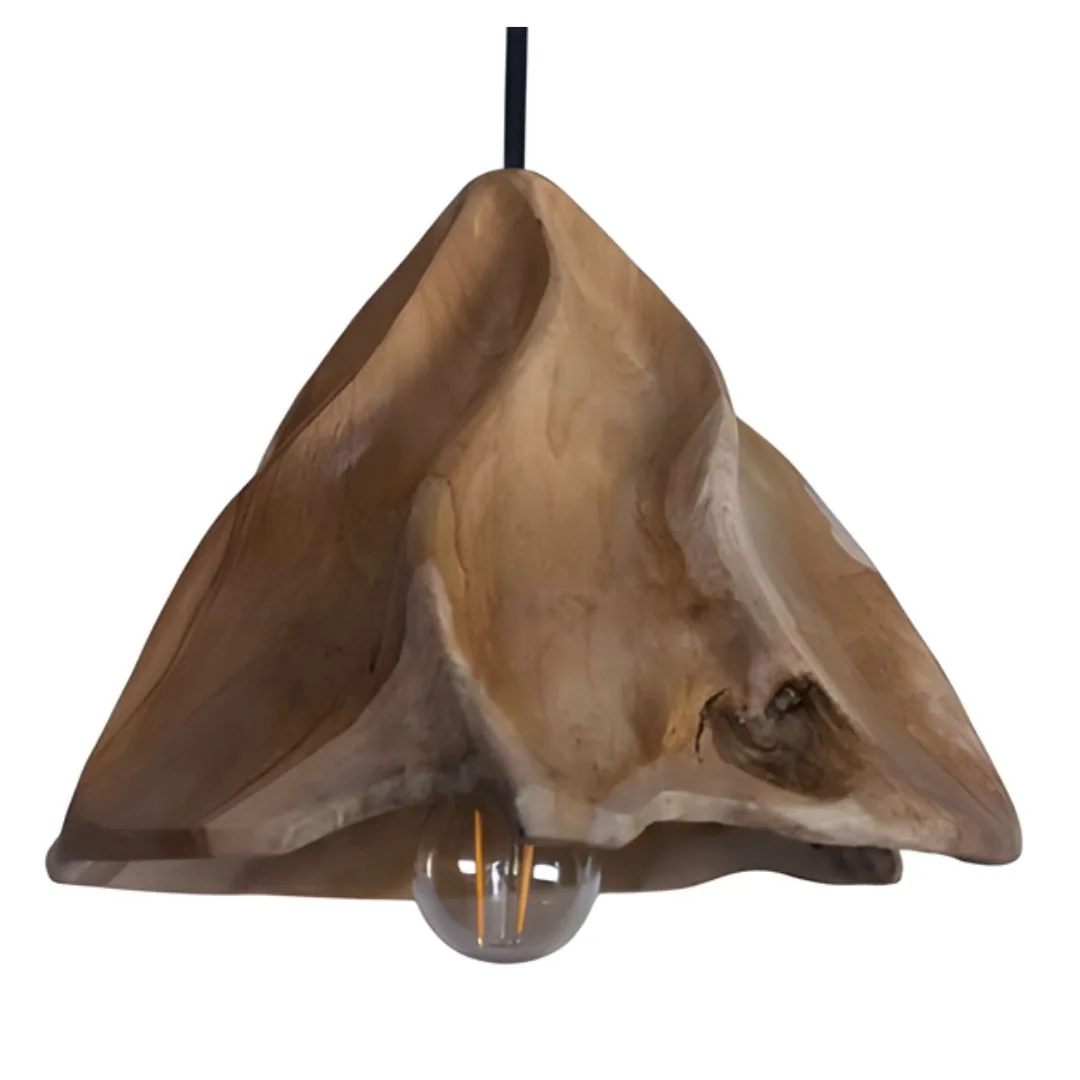 Woodcraft
Lighting Collection
Designed by Fast3D Studio
Harga desain
Free
/ desain
Download Gratis
Woodcraft
Woodcraft
Lighting Collection
Designed by Fast3D Studio
Harga desain
Free
/ desain
Download Gratis
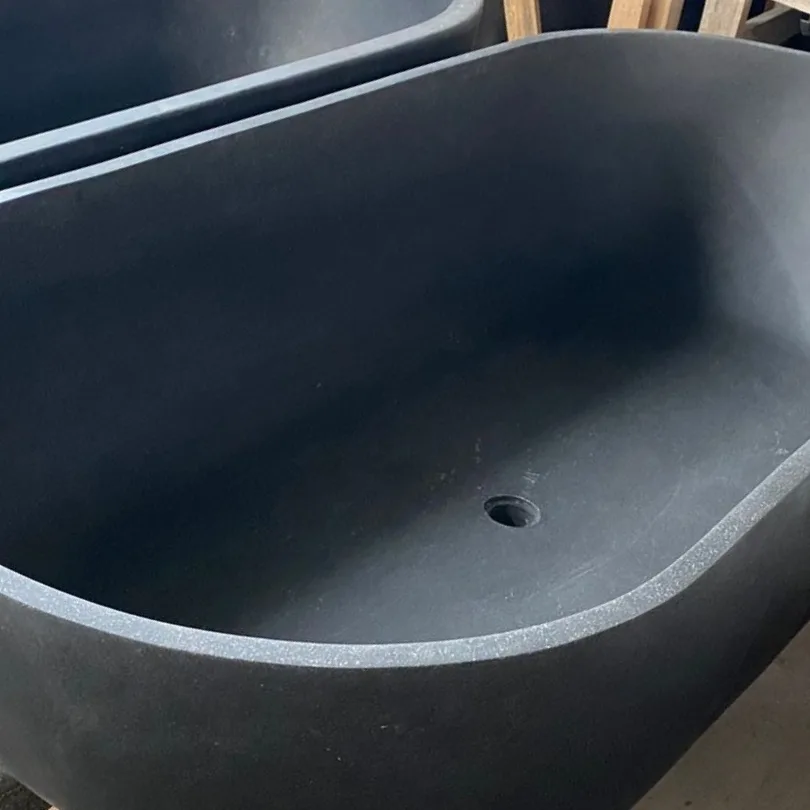 Resin Works
Black Wavy Terramix
Designed by Fast3D Studio
Harga desain
Free
/ desain
Download Gratis
Resin Works
Resin Works
Black Wavy Terramix
Designed by Fast3D Studio
Harga desain
Free
/ desain
Download Gratis
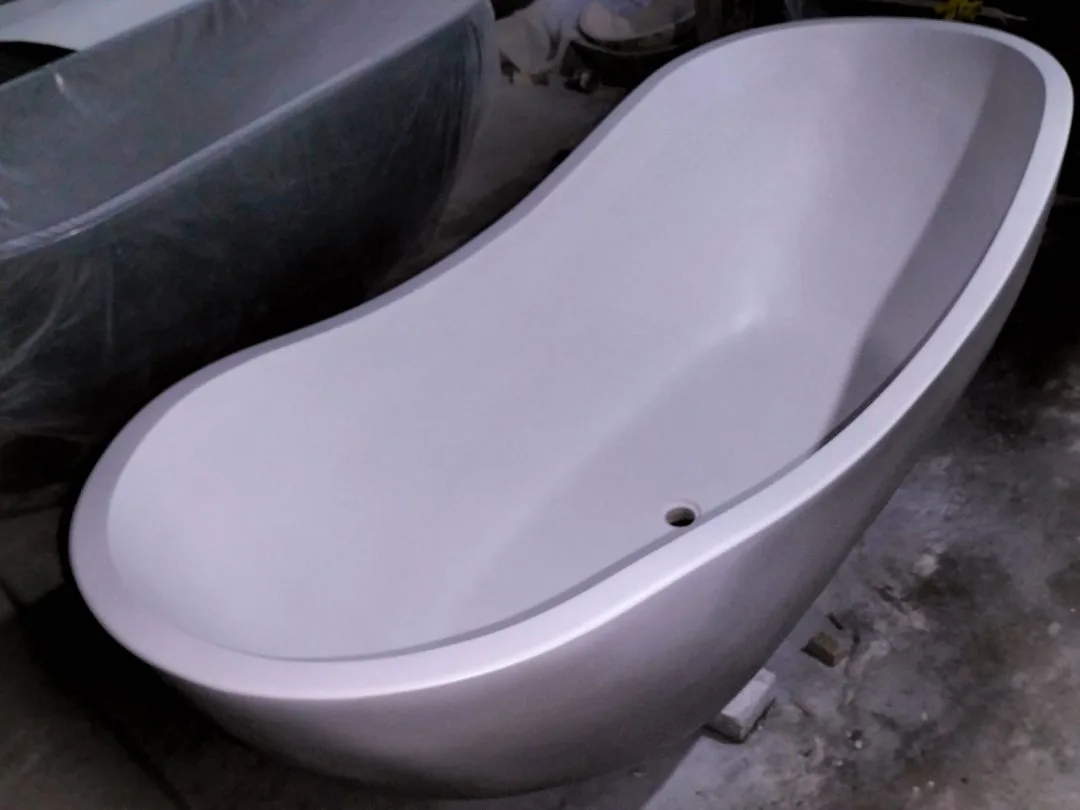 Resin Works
White Wavy Terramix
Designed by Fast3D Studio
Harga desain
Free
/ desain
Download Gratis
Resin Works
Resin Works
White Wavy Terramix
Designed by Fast3D Studio
Harga desain
Free
/ desain
Download Gratis
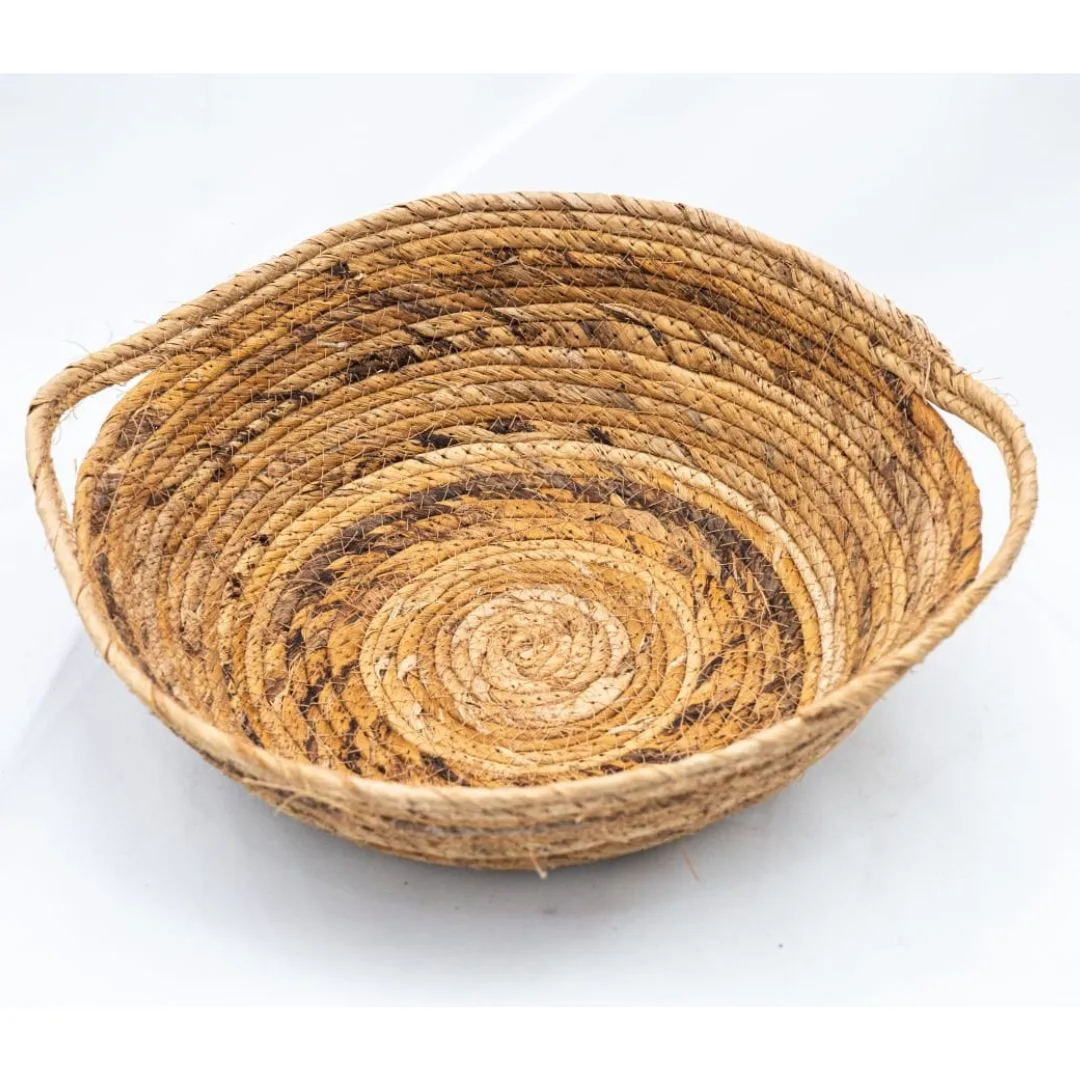 Natural Fiber
Bowl With Handle
Designed by Fast3D Studio
Harga desain
Rp 17rb
/ desain
Lihat
Natural Fiber
Natural Fiber
Bowl With Handle
Designed by Fast3D Studio
Harga desain
Rp 17rb
/ desain
Lihat