Natural Fiber Wall Panels: Transform Any Room with Texture
Home DecorNatural Fiber Wall Panels: Transform Any Room with Texture Discover artisan-made, sustainable products from Miss Handcraft — handcrafted by local artisans using natural and upcycled materials.
Natural Fiber Wall Panels: Transform Any Room with Texture
Understanding the Fundamentals
Creating a home that reflects your values and supports your lifestyle starts with understanding the fundamentals of good design. Quality, durability, and functionality matter more than trends. Natural materials, thoughtful construction, and timeless design form the foundation of a home that serves you well for years.
The objects you bring into your home should earn their place. Each piece should serve a purpose — whether functional, aesthetic, or emotional. When every item in a room has a reason for being there, the space feels intentional rather than cluttered. This principle applies to furniture, decor, textiles, and accessories alike.
Developing your personal taste takes time and exposure. Visit museums, browse design books, explore different styles, and notice what draws your attention. Over time, patterns emerge that reveal your preferences. Trusting these instincts leads to a home that feels authentically yours rather than copied from a catalog.
Selecting Quality Materials
The materials used in home products determine their appearance, durability, and environmental impact. Natural materials like wood, cotton, wool, clay, and plant fibers offer warmth and character that synthetic alternatives cannot match. They age gracefully, develop patina over time, and can be repaired or recycled at end of life.
When evaluating materials, consider their source. Rapidly renewable materials like bamboo and water hyacinth regenerate quickly. Recycled and reclaimed materials avoid the environmental cost of extraction. Locally sourced materials reduce transportation emissions. Each of these factors contributes to the overall sustainability of a product.
Synthetic materials are not inherently bad, but they should be chosen deliberately. In applications where durability, water resistance, or specific performance characteristics are required, high-quality synthetic materials may be the best option. The key is choosing them for functional reasons rather than cost savings, and selecting versions that are built to last.
Building a Cohesive Interior
A cohesive interior does not mean every item matches — it means the overall composition feels intentional. Cohesion comes from repeating colors, materials, or design elements throughout a space. This repetition creates visual rhythm and connects different areas of a room into a unified whole.
Start with a neutral foundation — walls, flooring, large furniture — then add personality through accessories and accents. This approach allows you to change the look of a room without major expense. Swapping out textiles, adding new wall art, or changing decorative objects refreshes a space while the foundational elements remain constant.
Balance is more important than symmetry. Distribute visual weight evenly across the room. A large piece on one side can be balanced by several smaller pieces on the other. Dark colors carry more weight than light colors. Open space is as important as filled space. Stepping back and assessing the overall composition helps identify areas that need adjustment.
Practical Steps to Improve Your Space
Improving your home does not have to happen all at once. Choose one area that needs attention — a cluttered shelf, a bare wall, a dark corner — and focus on that. Clear the space, assess what is working and what is not, and make one intentional change. This focused approach prevents overwhelm and produces visible results.
Lighting is often the quickest way to improve a room. Adding a floor lamp to a dark corner, replacing a harsh overhead fixture with a soft pendant, or installing dimmers transforms the atmosphere instantly. Before investing in new furniture or decor, evaluate whether better lighting alone could address the issues in your space.
Edit ruthlessly. Most homes contain items that no longer serve a purpose. Removing these creates space for pieces that genuinely add value. If you have not used an item in a year, consider whether it deserves to remain in your home. Letting go of unused items is one of the most effective ways to improve your living space without spending money.
This is discussed in more detail in Why Upcycled Products Are Better for Your Home Decor.
This is discussed in more detail in Boho Home Decor Ideas: Style Your Space with Natural Materials.
Making Informed Decisions
Knowledge is the foundation of confident decision making in home design. Understanding materials, construction methods, and design principles helps you choose products that will serve you well. Taking the time to learn about what you are buying — rather than relying on marketing claims or impulse — consistently leads to better outcomes.
Your home is a reflection of your priorities and values. By choosing quality over quantity, natural materials over synthetic, and timeless design over fleeting trends, you create a space that is not only beautiful but also sustainable and personally meaningful. Every thoughtful choice contributes to a home that supports your life rather than complicating it.
Produk Terkait
Lihat Semua Produk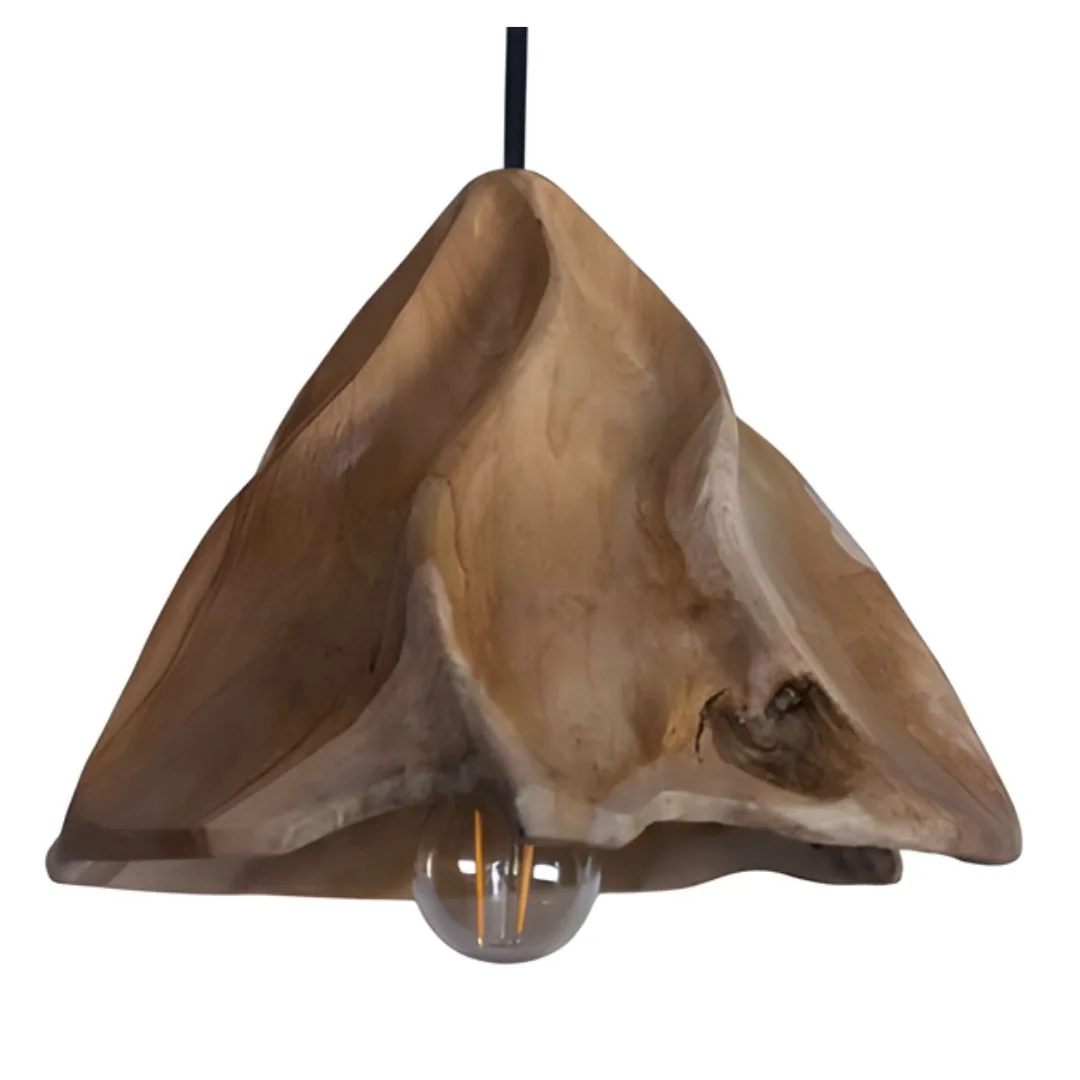 Woodcraft
Lighting Collection
Designed by Fast3D Studio
Harga desain
Free
/ desain
Download Gratis
Woodcraft
Woodcraft
Lighting Collection
Designed by Fast3D Studio
Harga desain
Free
/ desain
Download Gratis
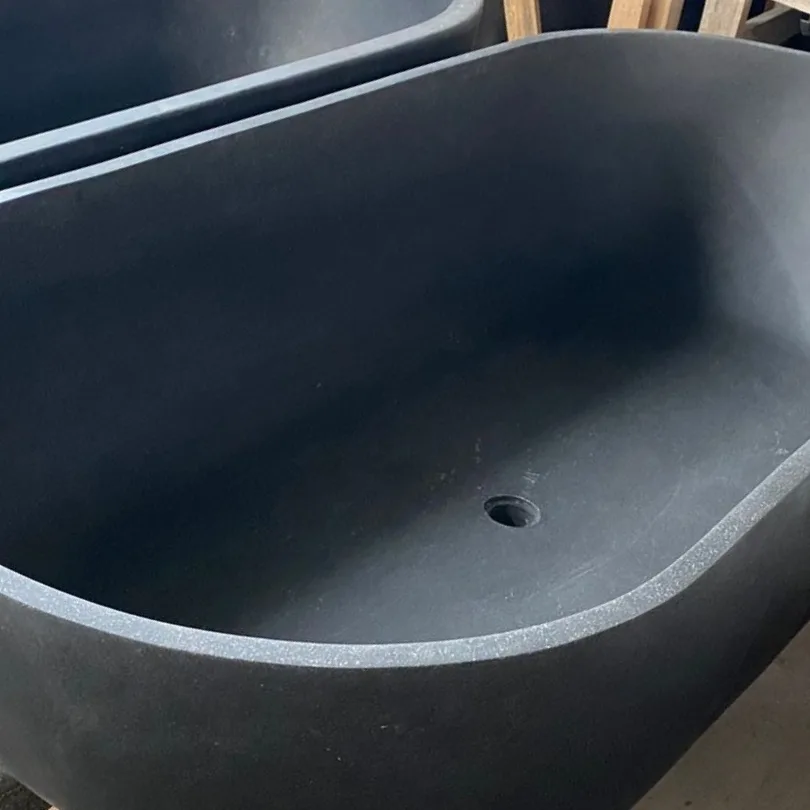 Resin Works
Black Wavy Terramix
Designed by Fast3D Studio
Harga desain
Free
/ desain
Download Gratis
Resin Works
Resin Works
Black Wavy Terramix
Designed by Fast3D Studio
Harga desain
Free
/ desain
Download Gratis
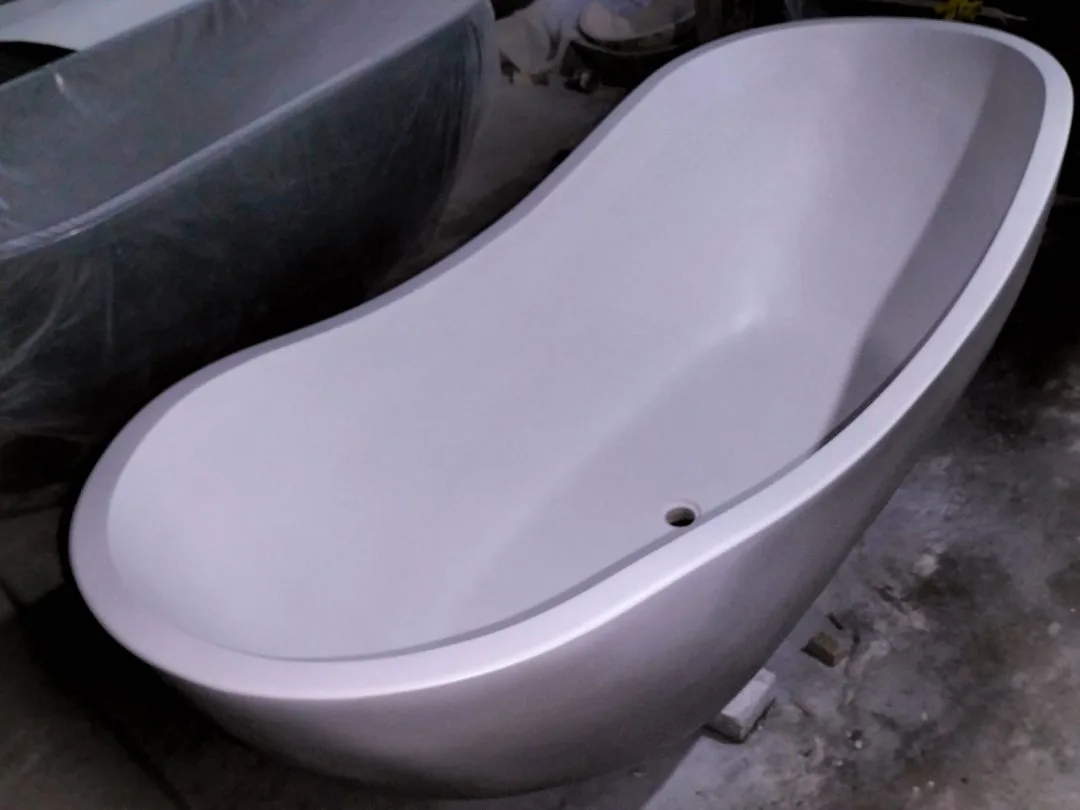 Resin Works
White Wavy Terramix
Designed by Fast3D Studio
Harga desain
Free
/ desain
Download Gratis
Resin Works
Resin Works
White Wavy Terramix
Designed by Fast3D Studio
Harga desain
Free
/ desain
Download Gratis
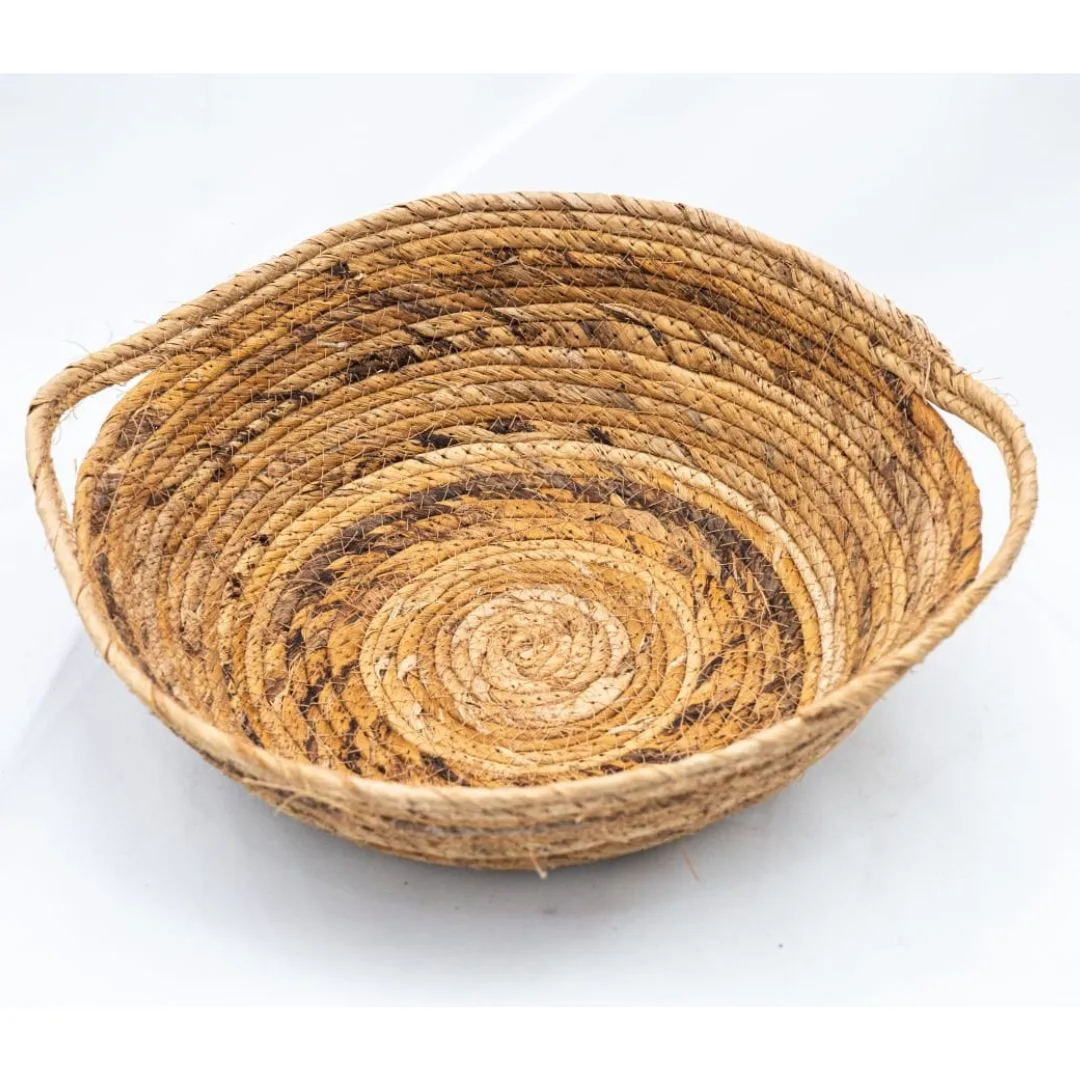 Natural Fiber
Bowl With Handle
Designed by Fast3D Studio
Harga desain
Rp 17rb
/ desain
Lihat
Natural Fiber
Natural Fiber
Bowl With Handle
Designed by Fast3D Studio
Harga desain
Rp 17rb
/ desain
Lihat