Natural Fiber Pendant Lights: A Style Guide for Every Room
LightingNatural Fiber Pendant Lights: A Style Guide for Every Room Discover artisan-made, sustainable products from Miss Handcraft — handcrafted by local artisans using natural and upcycled materials.
Natural Fiber Pendant Lights: A Style Guide for Every Room
The Role of Lighting in Interior Design
Lighting is one of the most influential elements in interior design, yet it is frequently overlooked until the end of a project. Good lighting affects how colors appear, how textures read, and how spacious or intimate a room feels. It can make a small room feel larger, a dark corner feel welcoming, and a neutral palette feel rich and layered.
Natural fiber lighting fixtures offer specific advantages. They soften and diffuse light, eliminating harsh shadows and creating a warm, enveloping glow. The natural texture of woven fibers adds visual interest even when the light is off, making the fixture a decorative element in its own right. This dual function — providing both light and ornament — makes them an efficient choice for any room.
The color temperature of your lighting also matters. Warm light (2700-3000K) creates a cozy, relaxing atmosphere suitable for living rooms and bedrooms. Cool light (3500-5000K) is better for task-oriented spaces like home offices and kitchens. Natural fiber shades tend to warm the light passing through them, making them ideal for spaces where comfort is the priority.
Types of Natural Fiber Lighting
Pendant lights are among the most popular natural fiber lighting options. They hang from the ceiling and work well over dining tables, kitchen islands, and bedside tables. Woven pendant shades create beautiful shadow patterns on walls and ceilings, adding an extra layer of visual interest to the room.
Table and floor lamps with natural fiber shades provide portable, flexible lighting. They can be moved as needed and are excellent for creating cozy reading nooks or adding warmth to dark corners. The size of the shade affects how much light is cast — larger shades distribute light more broadly, while smaller shades focus it in a specific area.
Wall-mounted sconces with natural fiber shades are ideal for hallways, bathrooms, and next to beds. They save floor and table space while providing directed light where it is needed most. Natural fiber sconces add texture to walls without the commitment of large wall art, making them a versatile addition to any room.
Choosing the Right Size and Placement
Scale is critical when selecting lighting fixtures. A pendant light that is too small for its designated space will look insignificant, while one that is too large will overwhelm the room. As a general guideline, a pendant light over a dining table should be about one-third to one-half the width of the table. For living rooms, the diameter of a pendant should be proportional to the size of the seating area.
Height matters just as much as width. Pendant lights should hang approximately 30 to 36 inches above a dining table surface, and 7 feet above the floor in walkway areas to avoid obstructing movement. Lamp shades should be at eye level when seated for reading, typically 40 to 42 inches from the floor to the bottom of the shade.
Multiple pendants at varying heights create visual rhythm and can illuminate larger areas more effectively than a single fixture. When hanging multiple pendants, space them evenly and consider the overall composition they will form. A cluster of three pendants at different heights makes a striking statement above a staircase or in a large living area.
Integrating Lighting with Room Function
Each room has different lighting requirements based on how it is used. In living rooms, a combination of ambient lighting from pendants or ceiling fixtures, task lighting from floor lamps for reading, and accent lighting to highlight artwork or architectural features creates a flexible, functional scheme. Dimmers allow you to adjust the balance between these layers as needed.
Bedrooms benefit from soft, warm lighting that promotes relaxation. Bedside lamps with natural fiber shades provide reading light without disturbing a partner. Avoid bright overhead lights in bedrooms — they can feel harsh and disrupt the body's natural preparation for sleep. A dim pendant or a set of wall sconces provides gentle illumination for dressing and winding down.
Kitchens and dining areas need brighter, more focused lighting for food preparation and cooking, but the same fixtures should be dimmable for mealtime ambiance. Pendant lights over islands and dining tables work well for this dual purpose. Under-cabinet lighting fills in shadows on countertops, and natural fiber shades soften the overall light for a warm dining experience.
For practical advice, read Eco-Friendly Lighting: 8 Ideas for a Cozy, Sustainable Home.
For more on this topic, see our guide on Handwoven Lamp Shades: Warm Light Meets Natural Beauty.
A Practical Approach to Lighting
Good lighting transforms a house into a home. It affects how we feel, how we function, and how we perceive the spaces we inhabit. By choosing natural fiber lighting fixtures, you add warmth and texture that synthetic materials cannot replicate, while supporting sustainable craftsmanship and traditional skills.
Start by assessing each room's lighting needs. Identify where you need ambient, task, and accent lighting. Choose fixtures that match the scale of your space and the function of each area. Layer different light sources to create flexibility. With thoughtful planning, your lighting scheme will serve you well for years to come, adapting to your needs as they evolve.
Produk Terkait
Lihat Semua Produk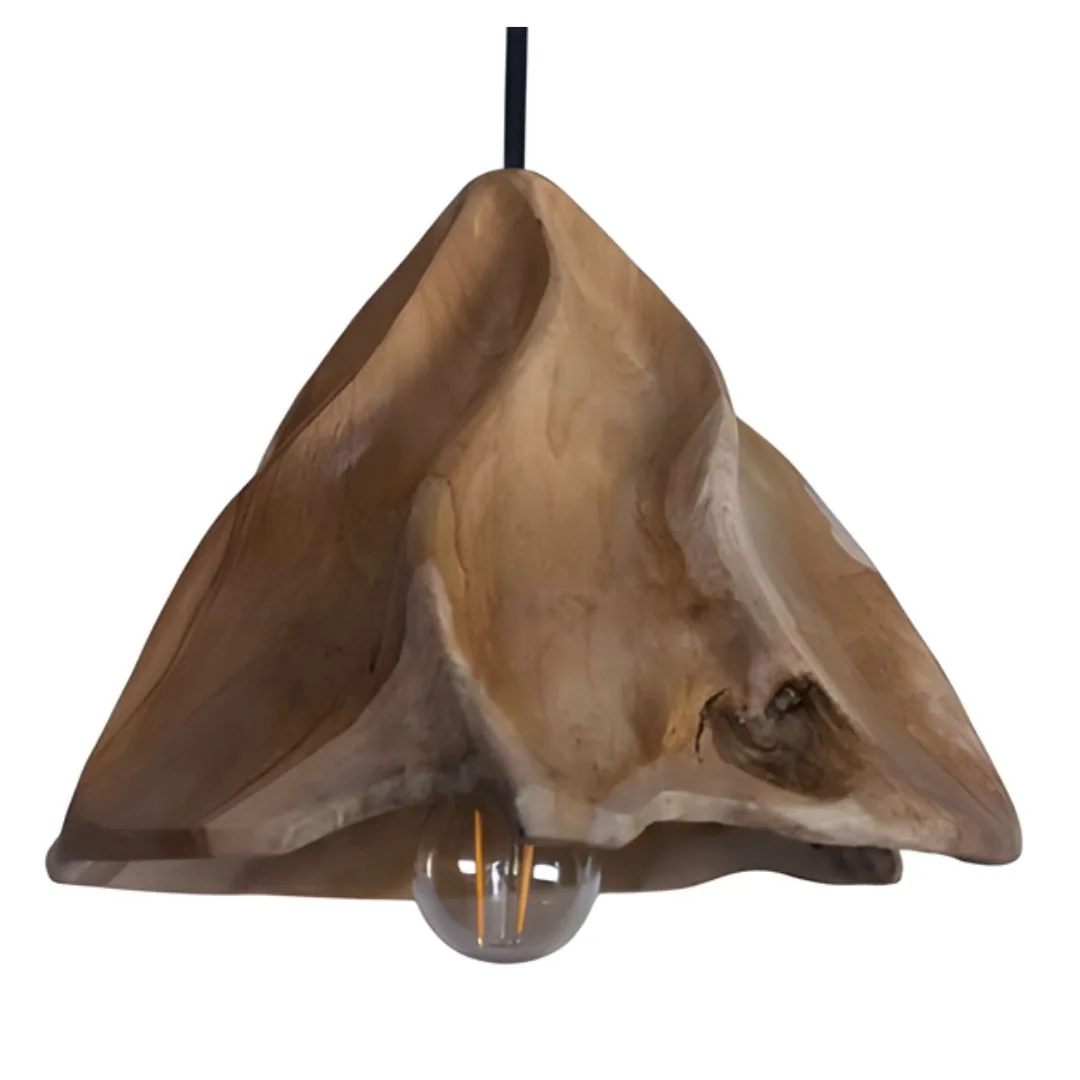 Woodcraft
Lighting Collection
Designed by Fast3D Studio
Harga desain
Free
/ desain
Download Gratis
Woodcraft
Woodcraft
Lighting Collection
Designed by Fast3D Studio
Harga desain
Free
/ desain
Download Gratis
 Resin Works
Black Wavy Terramix
Designed by Fast3D Studio
Harga desain
Free
/ desain
Download Gratis
Resin Works
Resin Works
Black Wavy Terramix
Designed by Fast3D Studio
Harga desain
Free
/ desain
Download Gratis
 Resin Works
White Wavy Terramix
Designed by Fast3D Studio
Harga desain
Free
/ desain
Download Gratis
Resin Works
Resin Works
White Wavy Terramix
Designed by Fast3D Studio
Harga desain
Free
/ desain
Download Gratis
 Natural Fiber
Bowl With Handle
Designed by Fast3D Studio
Harga desain
Rp 17rb
/ desain
Lihat
Natural Fiber
Natural Fiber
Bowl With Handle
Designed by Fast3D Studio
Harga desain
Rp 17rb
/ desain
Lihat