Sustainable Interior Design: Key Principles for an Eco-Conscious Home
Sustainable LivingSustainable Interior Design: Key Principles for an Eco-Conscious Home Discover artisan-made, sustainable products from Miss Handcraft — handcrafted by local artisans using natural and upcycled materials.
Sustainable Interior Design: Key Principles for an Eco-Conscious Home
Understanding the Basics
Making informed choices about home decor starts with understanding what makes a product sustainable, functional, and well-made. Sustainability in home goods generally refers to three factors: the renewability of materials, the ethics of production, and the durability of the finished product. A product that scores well on all three is a responsible choice by any standard.
Natural materials are generally more sustainable than synthetic ones because they are renewable and biodegradable. However, not all natural materials are equally sustainable — rapidly renewable options like bamboo and water hyacinth have lower environmental impact than slow-growing hardwoods. The key is understanding the specific materials used in each product.
Functionality matters as much as sustainability. A product that is well-made but does not serve a genuine need will eventually be discarded, negating any environmental benefit. The most sustainable product is one that is used regularly and maintained properly, which means choosing items that fit your actual lifestyle and needs.
Practical Applications for Your Home
Incorporating sustainable, well-made products into your home does not require a complete overhaul. Start with one room or one category of products. Replace plastic storage bins with natural fiber baskets. Swap synthetic throws for organic cotton or wool blankets. Add a piece of handcrafted wall art to a bare wall. These individual changes accumulate into a more thoughtful home.
Consider the specific needs of each room when selecting products. Kitchens benefit from durable, easy-to-clean materials like ceramic and sealed wood. Living rooms can accommodate more delicate textiles and decorative pieces. Bathrooms require moisture-resistant materials. Matching products to their intended environment extends their lifespan and maintains their appearance.
Layering different materials creates visual interest. Combine smooth ceramics with rough woven fibers. Pair polished wood with matte stone. These contrasts add depth and prevent a space from feeling flat or monotonous. The interplay between different textures is one of the most effective tools in interior design.
Maintaining and Extending Product Life
Proper maintenance dramatically extends the life of home products. Natural fiber items should be dusted regularly and kept away from prolonged direct sunlight. Wood products benefit from occasional oiling with natural oils. Ceramic and glass items should be handled carefully to avoid chips and cracks. Following care instructions specific to each material ensures longevity.
Repair is almost always more sustainable than replacement. A loose weave can be tightened. A chip in ceramic can be repaired with food-safe epoxy. A faded finish on wood can be refreshed with oil. Learning basic repair skills saves money and reduces waste. Many artisans offer repair services for their work, recognizing that a well-made piece is worth maintaining.
When a product does reach the end of its useful life, consider how it can be repurposed or recycled. Natural fiber baskets can become planters. Ceramic pieces can be broken and used as drainage material in potted plants. Wood can be sanded and refinished into something new. Thinking about end-of-life options when purchasing encourages choosing materials that can be reused rather than landfilled.
Making Informed Purchasing Decisions
Before making a purchase, research the product and its maker. Ask questions about materials, production methods, and the people involved in making it. Reputable makers are transparent about these details and proud to share them. Vague or evasive answers may indicate that a product is not what it claims to be.
Compare the cost per use rather than the upfront price. A $50 basket that lasts ten years costs $5 per year. A $15 plastic bin that cracks after two years costs $7.50 per year. The more expensive option is actually better value over time. This perspective shifts the focus from initial cost to long-term value.
Consider the full lifecycle of the product. Where do the materials come from? How is it made? How long will it last? What happens when it is no longer needed? Products made from natural, renewable materials with ethical production and durable construction score well on all these questions and represent the most responsible choice available.
You may also find our article on Sustainable Home Decor: A Complete Guide to Eco-Friendly Living helpful.
You may also find our article on Zero Waste Living: 10 Simple Swaps for a Sustainable Home helpful.
Key Takeaways
Making informed choices about home products does not require perfection — just consistent, thoughtful decisions. Prioritize natural and renewable materials. Choose quality over quantity. Support makers who are transparent about their processes. Invest in items that are built to last and can be repaired when needed.
Every purchase is an opportunity to align your home with your values. By choosing well-made, sustainable products, you create a space that is beautiful, functional, and responsible. These choices benefit your home, your well-being, and the environment, making each thoughtful purchase a positive step toward a more sustainable future.
Produk Terkait
Lihat Semua Produk Woodcraft
Lighting Collection
Designed by Fast3D Studio
Harga desain
Free
/ desain
Download Gratis
Woodcraft
Woodcraft
Lighting Collection
Designed by Fast3D Studio
Harga desain
Free
/ desain
Download Gratis
 Resin Works
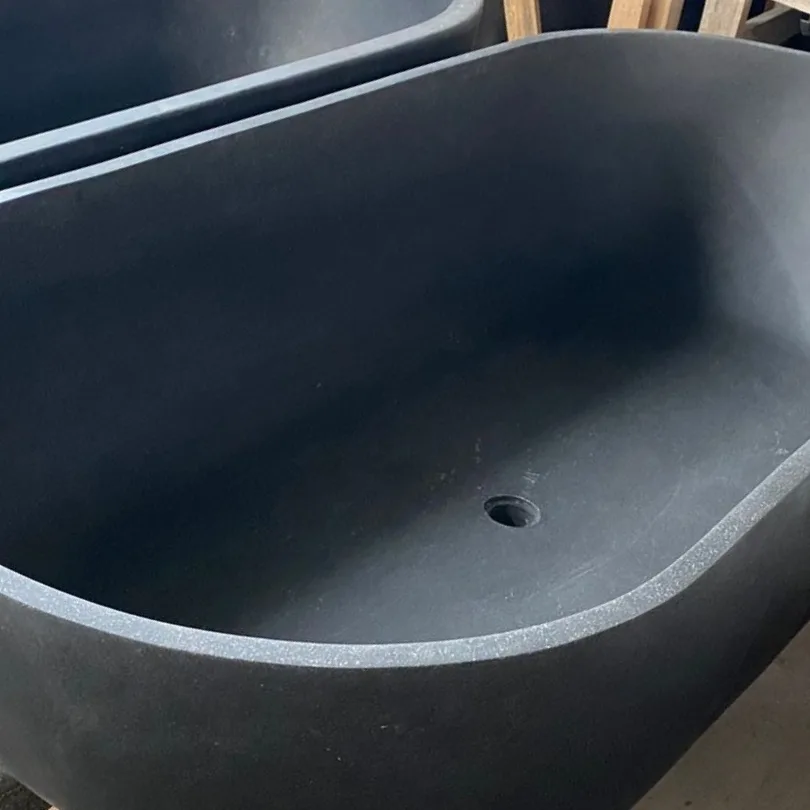
Black Wavy Terramix
Designed by Fast3D Studio
Harga desain
Free
/ desain
Download Gratis
Resin Works
Resin Works
Black Wavy Terramix
Designed by Fast3D Studio
Harga desain
Free
/ desain
Download Gratis
 Resin Works
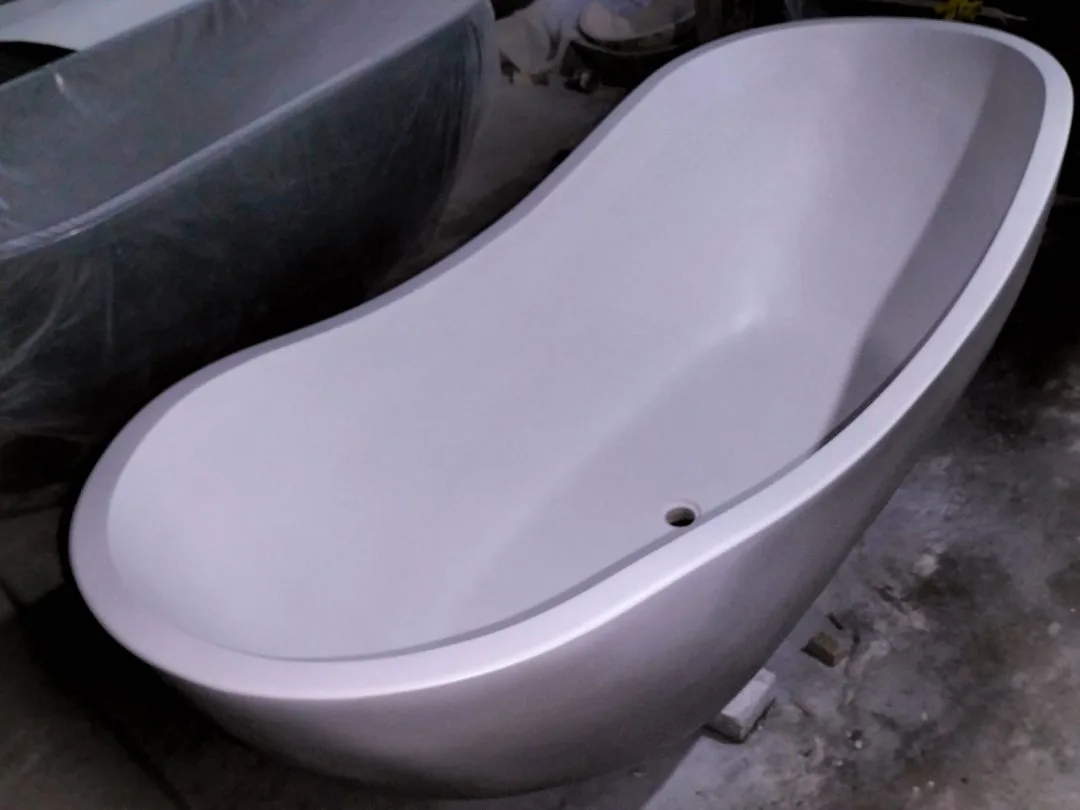
White Wavy Terramix
Designed by Fast3D Studio
Harga desain
Free
/ desain
Download Gratis
Resin Works
Resin Works
White Wavy Terramix
Designed by Fast3D Studio
Harga desain
Free
/ desain
Download Gratis
 Natural Fiber
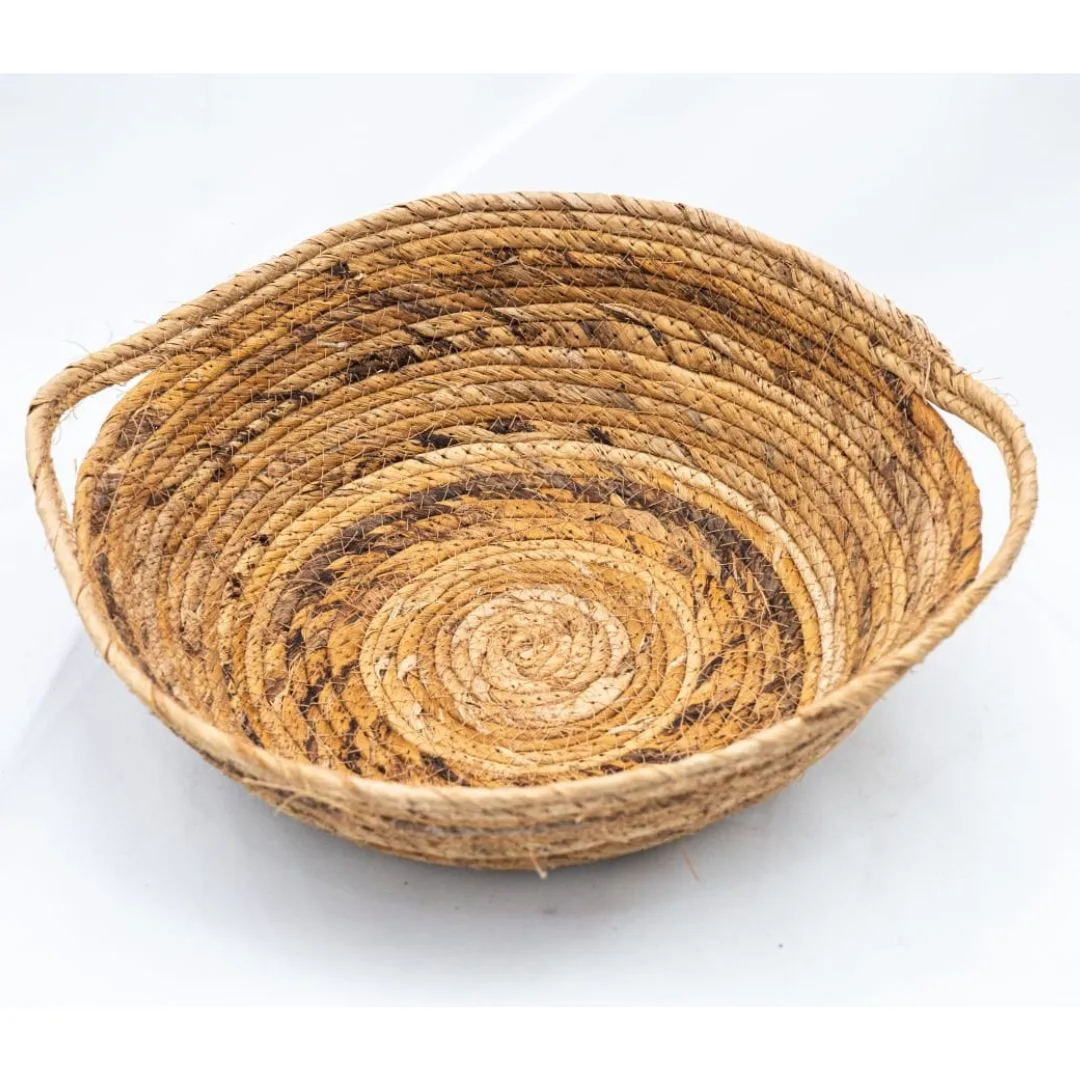
Bowl With Handle
Designed by Fast3D Studio
Harga desain
Rp 17rb
/ desain
Lihat
Natural Fiber
Natural Fiber
Bowl With Handle
Designed by Fast3D Studio
Harga desain
Rp 17rb
/ desain
Lihat